
Why Lazy Marketing is the Real Threat to Your Brand in the Age of AI

There’s a growing divide happening in marketing right now.
On one side, AI is becoming an incredible tool for efficiency, speed, data analysis, and content production. On the other side, there’s a growing wave of what I call “AI slop” — generic content pushed out without strategy, emotional understanding, or even basic human review.
People can feel the difference, just like they can feel the difference when interacting with a brand that lacks authenticity, personality, or emotional connection.
I don’t fear AI. I embrace technology and what it can help us accomplish. I’m already using AI to think through systems, improve workflows, structure marketing operations, generate ideas faster, and remove repetitive tasks that drain creative energy.
But AI should elevate thinking, not just replace it.
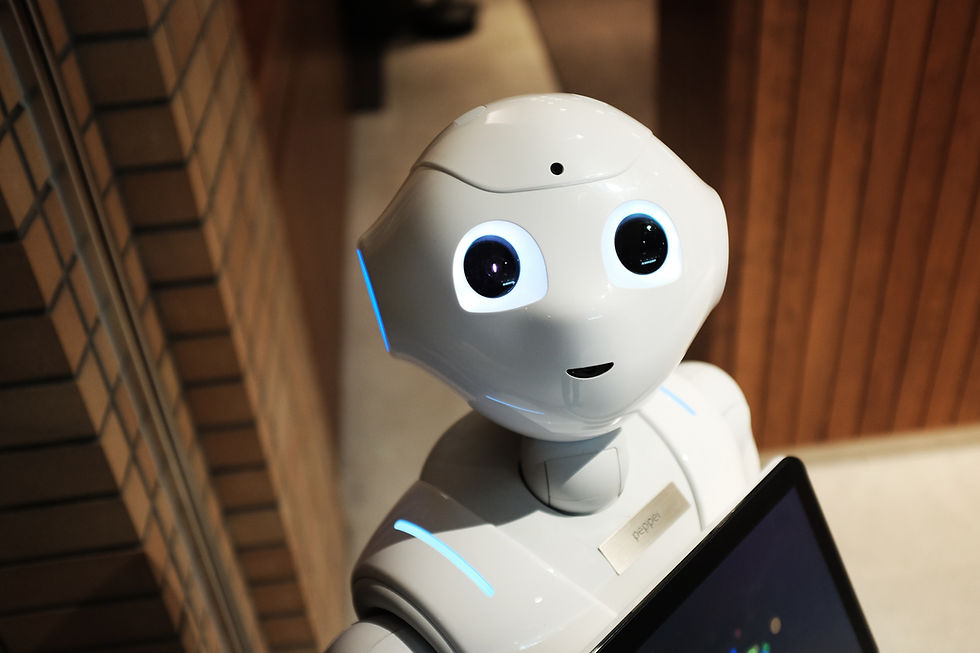
The problem isn’t the technology itself. The problem is when people stop applying critical thought, emotional intelligence, and human judgment to the work.
I’ve already seen:
landing pages published with obvious errors
generic messaging with no emotional connection
content that clearly was never reviewed by a human brands losing their personality because everything sounds the same
And in marketing, that matters.
Because great marketing has never just been about producing content. It’s about understanding people.
In hospitality marketing, for example, one of the highest-performing images is almost always the pool shot. Why? Because people emotionally place themselves there. They imagine the vacation. The relaxation. The experience. The memory.
That emotional connection matters.
HUMANS UNDERSTAND
aspiration
trust
community
emotional nuance
customer psychology
cultural context
what actually motivates someone to take action
That’s where the real differentiator will be. The agencies and marketers who win over the next few years won’t simply be the ones using AI the most aggressively.
KEY DIFFERENTIATORS
AI efficiency
human insight
strategy
taste
empathy
critical thinking
AI can help scale production. Humans still create meaning.
And that’s probably how it should be.
Comments